Tattoo — History Imprinted on the Body and Modern Art
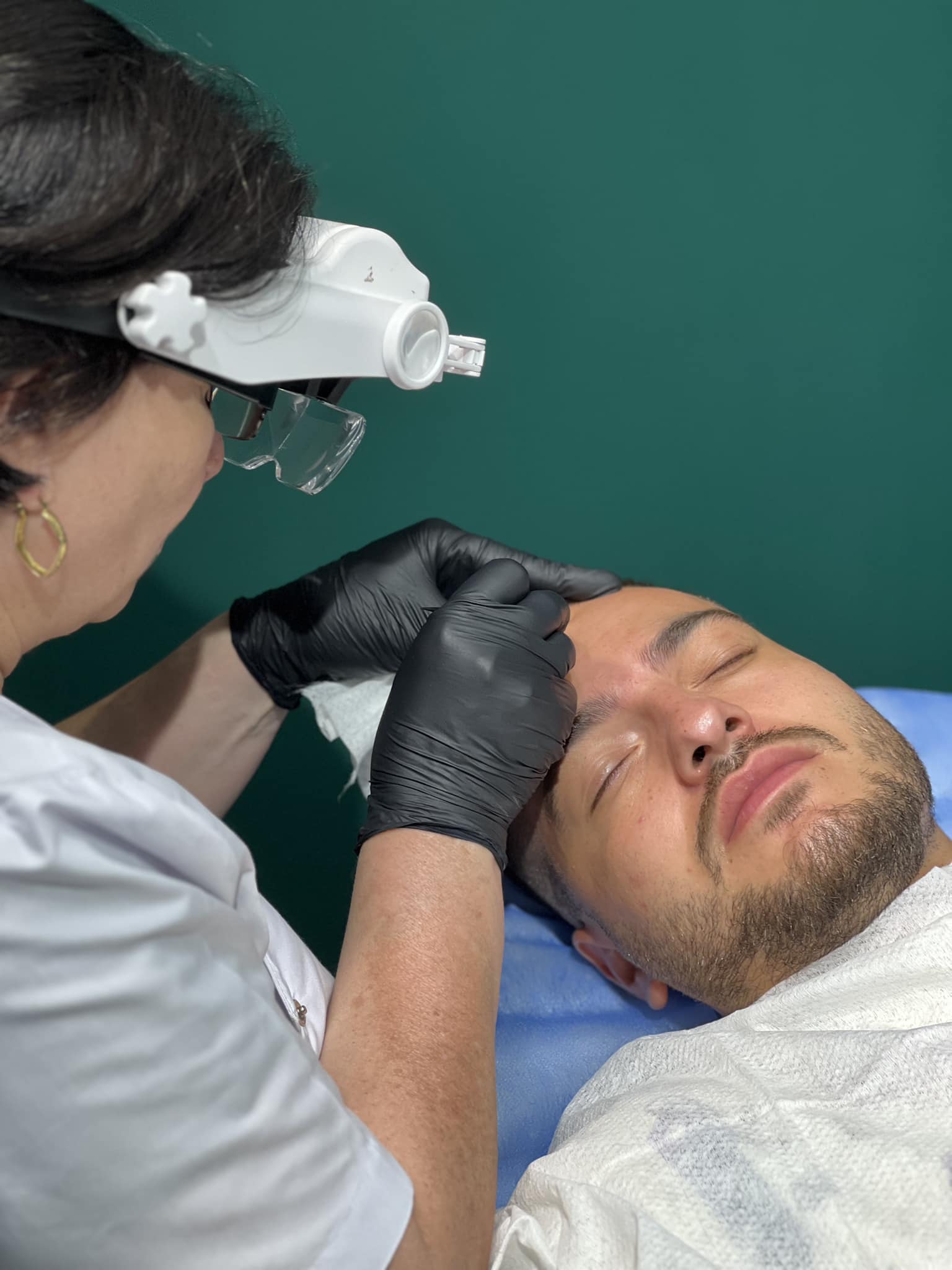
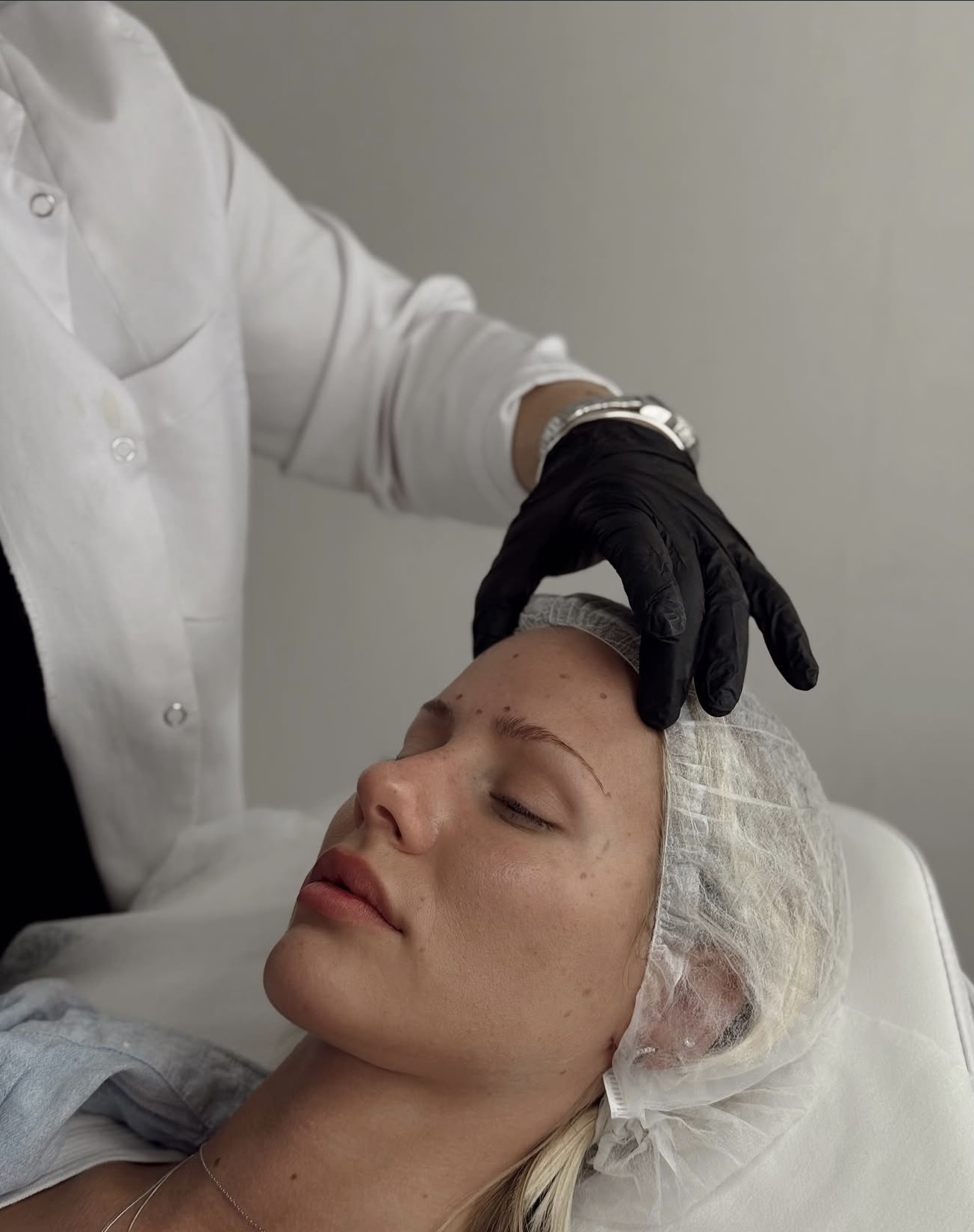
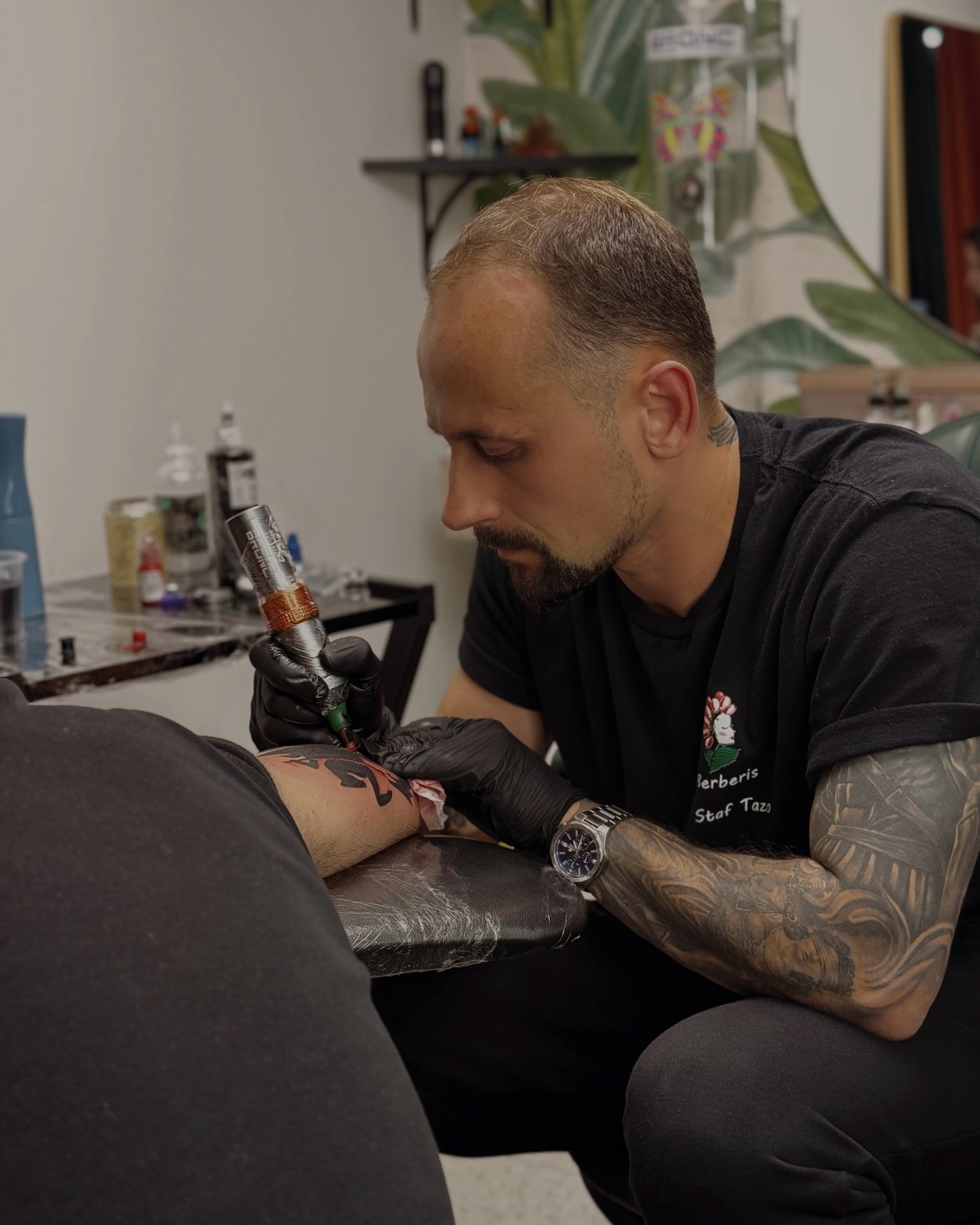
Tattoos have always been and remain one of the most unique forms of human self-expression. Even thousands of years ago, in various cultures, tattoos served as a means of expressing a person's identity, social status, religious affiliation, or personal experience. In Polynesia, tattoos marked one's family; among Aboriginal peoples — heroism and spiritual strength; and in some cultures of Europe and Asia — ritual or protective symbols. Today, tattoos still retain these values, while also gaining aesthetic and individual dimensions. Modern tattooing combines art, technical precision, a sterile environment and safety, allowing anyone to create a genuine, permanent work of art on their body. — The tattoo creation process 1. Idea and consultation Everything begins with a story: why you want a tattoo, what it means to you, what emotion or situation it should convey. During the consultation, the design, size, color and placement are selected so that the final result is in complete harmony with the person. 2. Sterile preparation Safety is the main condition of the procedure. Single-use needles, treated work surfaces, and sterile instruments are used. This ensures not only beauty but also health. 3. Transferring the design onto the skin A stencil or another method is transferred onto the skin's surface so the artist can precisely determine where to begin tattooing. This stage plays an important role in precision and the final visual result. 4. The tattooing process The needle carefully penetrates the dermis layer, applying ink in straight lines to create the image. The process is perceived individually — for some it's a light pricking sensation, for others — a more intense feeling. The main point is that a tattoo is permanent: the ink is fixed in the skin layer and retains its shape for a lifetime. 5. Aftercare A new tattoo needs special attention. The skin should be covered with a protective covering, cleaned and moisturized. In the first weeks it is essential to protect it from the sun and prolonged exposure to water. With proper care, the colors retain their vibrancy and the lines remain clean. — Types of tattoos There are many tattoo styles, each finding its own language and audience: • Minimalist – small, simple lines and symbols. • Realistic – detailed, almost photographic images. • Tribal – traditional, geometric patterns with cultural significance. • Watercolor – colorful, lineless, as if painted with paint. • Biomechanical – industrial and scientific inspiration, complex forms. — Why get a tattoo? For many, a tattoo is an aesthetic choice; for many others — a symbol, a memory or an expression of strength. For some it is a visual continuation of their own strength, personal meaning or emotion. Tattoos also often reflect culture, religion, family history or friendship. Regardless of the reason, a tattoo always remains, so to speak, a „memory album“ on the body — stories, emotions and symbols that retain their meaning over the years. — Safety and professionalism Modern tattooing is safe when the procedure is performed by an experienced specialist. Sterile needles, high-quality ink and adherence to hygiene standards ensure not only beauty but also health. A professional artist shares all recommendations with the client in detail — from the healing stage onward, protecting and caring for the skin is of utmost importance.