Ear Piercing in Children — What to Know Before Deciding
Ear piercing in children is often an emotional matter tied to tradition. Some parents decide to do it while the child is still an infant, while others wait until the child expresses the wish themselves. Regardless of when this decision is made, it's important that the procedure be carried out safely, in the right environment, and by a specialist.
What age is recommended for ear piercing?
There is no unanimous opinion among doctors regarding a specific age, though most agree that:
-
In infancy, the procedure heals more quickly
-
At an older age, the child can already express their own wishes
The most important thing is that the child's health be stable and that there be no skin or immune system issues.
Safety comes first
When piercing children's ears, special attention must be paid to hygiene and sterility. The procedure should be carried out:
-
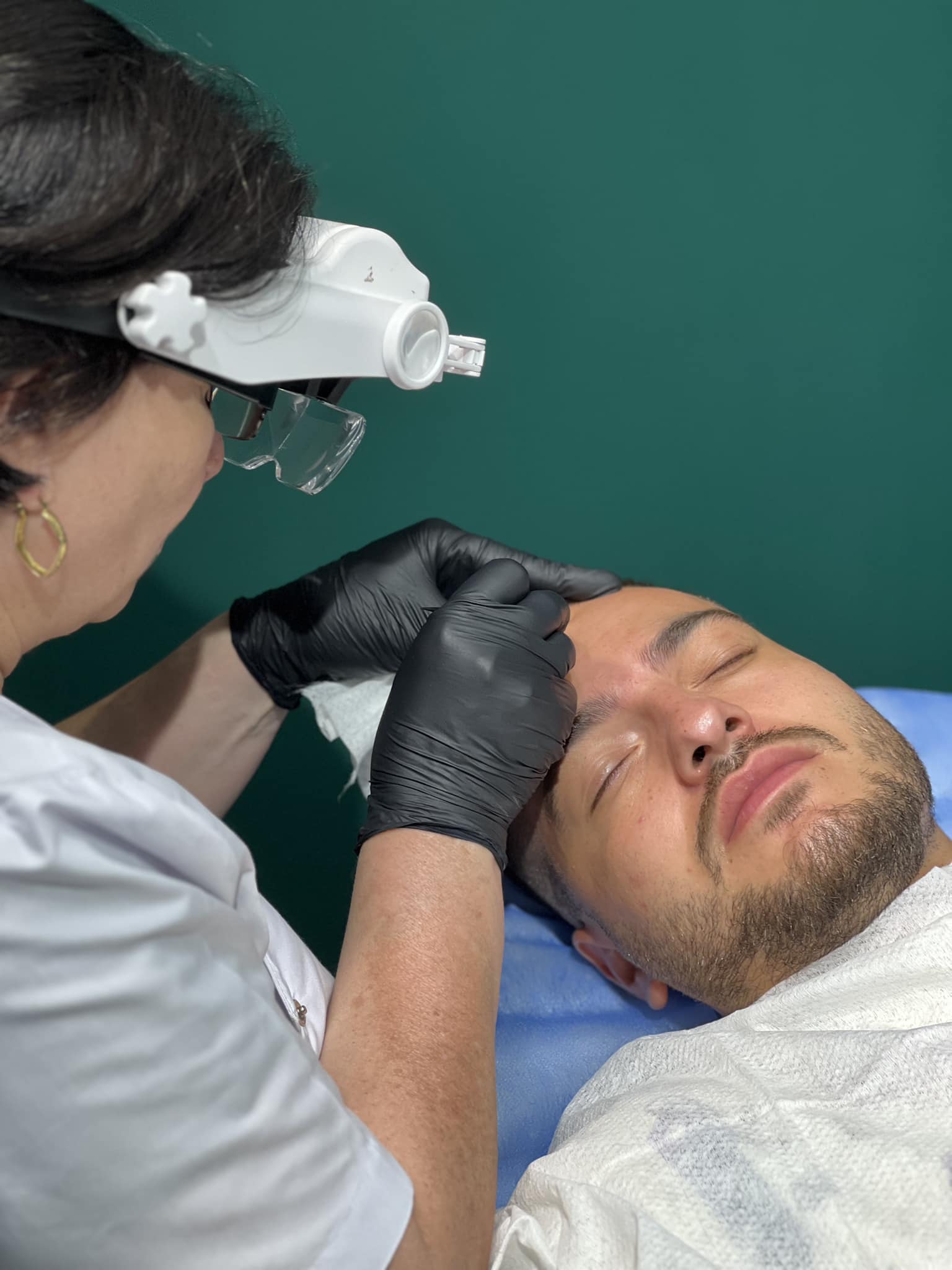
In a sterile environment
-
With single-use or specially sterilized instruments
-
By a professional experienced in working with children
A procedure carried out under improper conditions may lead to infection, swelling, or inflammation.
Which method is better?
Today, special piercing devices are widely used, which pierce the ear quickly and relatively painlessly. There is also the needle piercing method, which is mainly used in specialized piercing salons. For children, a special device is usually recommended, as the procedure is very quick.
The first earrings – an important detail
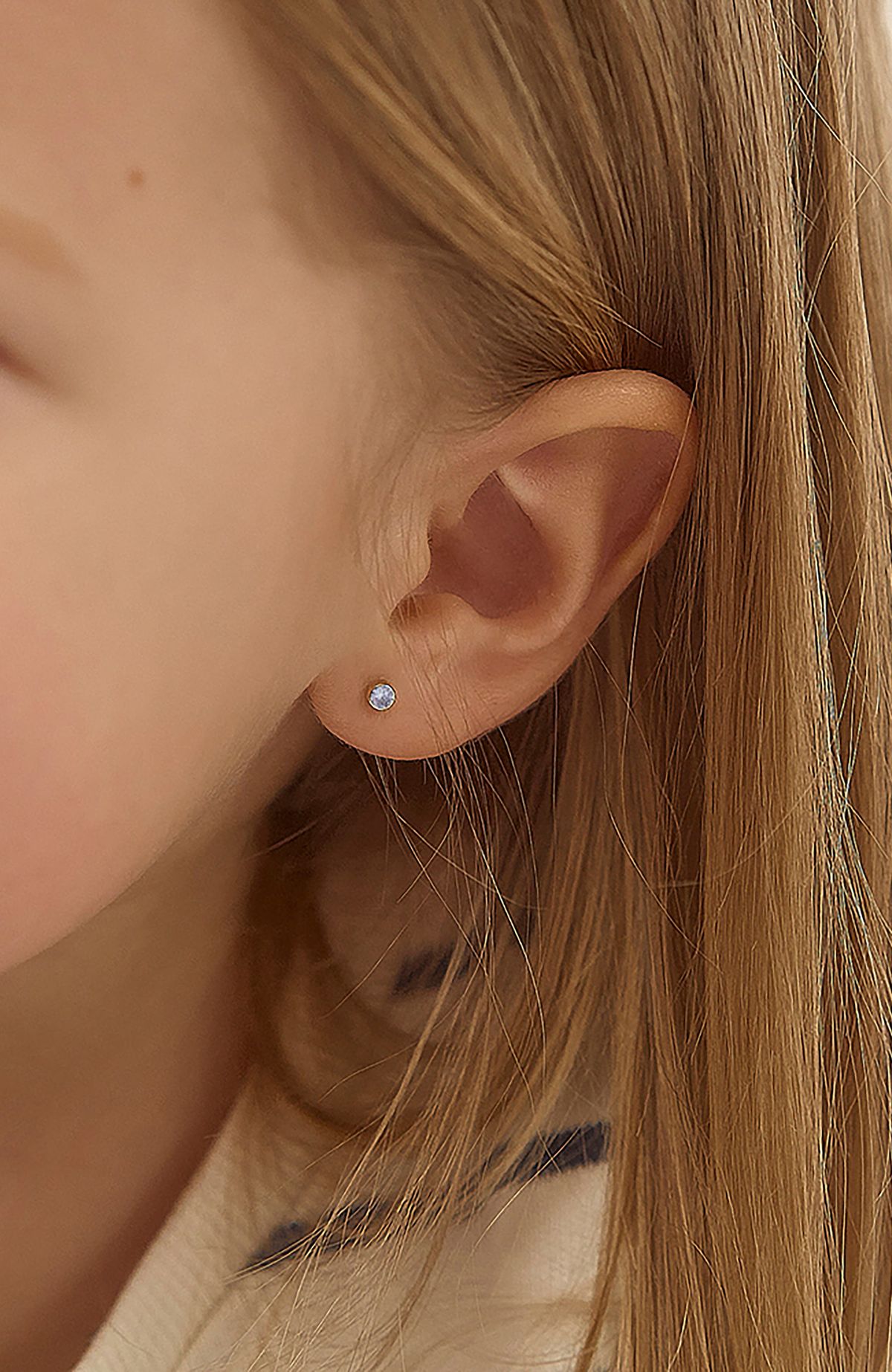
The first earrings should be:
-
Hypoallergenic (medical-grade steel, titanium, or gold)
-
Lightweight and small in size
-
Fitted with a secure clasp, so the child cannot accidentally remove them
Changing the earrings is recommended only after complete healing.
Aftercare
Proper care after ear piercing is of critical importance:
-
Regular disinfection with a special solution
-
Avoiding touching with hands
-
Consulting a specialist in case of redness, pain, or discharge
Excessive touching or lack of care increases the risk of infection.
Psychological comfort
For older children, it's important to talk with them beforehand and explain what will happen. A calm environment and parental support significantly reduce fear and stress.
Conclusion
Ear piercing in children is a responsible decision that requires an informed approach. A properly chosen location, a professional specialist, and subsequent aftercare ensure a safe and successful outcome. Most importantly, the procedure should be comfortable for both the child and the parent.